
In today’s real estate market, the accuracy of a home’s appraisal can make or break a deal. Appraisal values are critical for securing financing and closing sales, but what happens when the appraisal doesn’t seem to match the property’s true worth?
Fortunately, recent changes to the Reconsideration of Value (ROV) process provide homeowners and realtors with a clearer, more structured way to challenge appraisals they believe to be inaccurate.
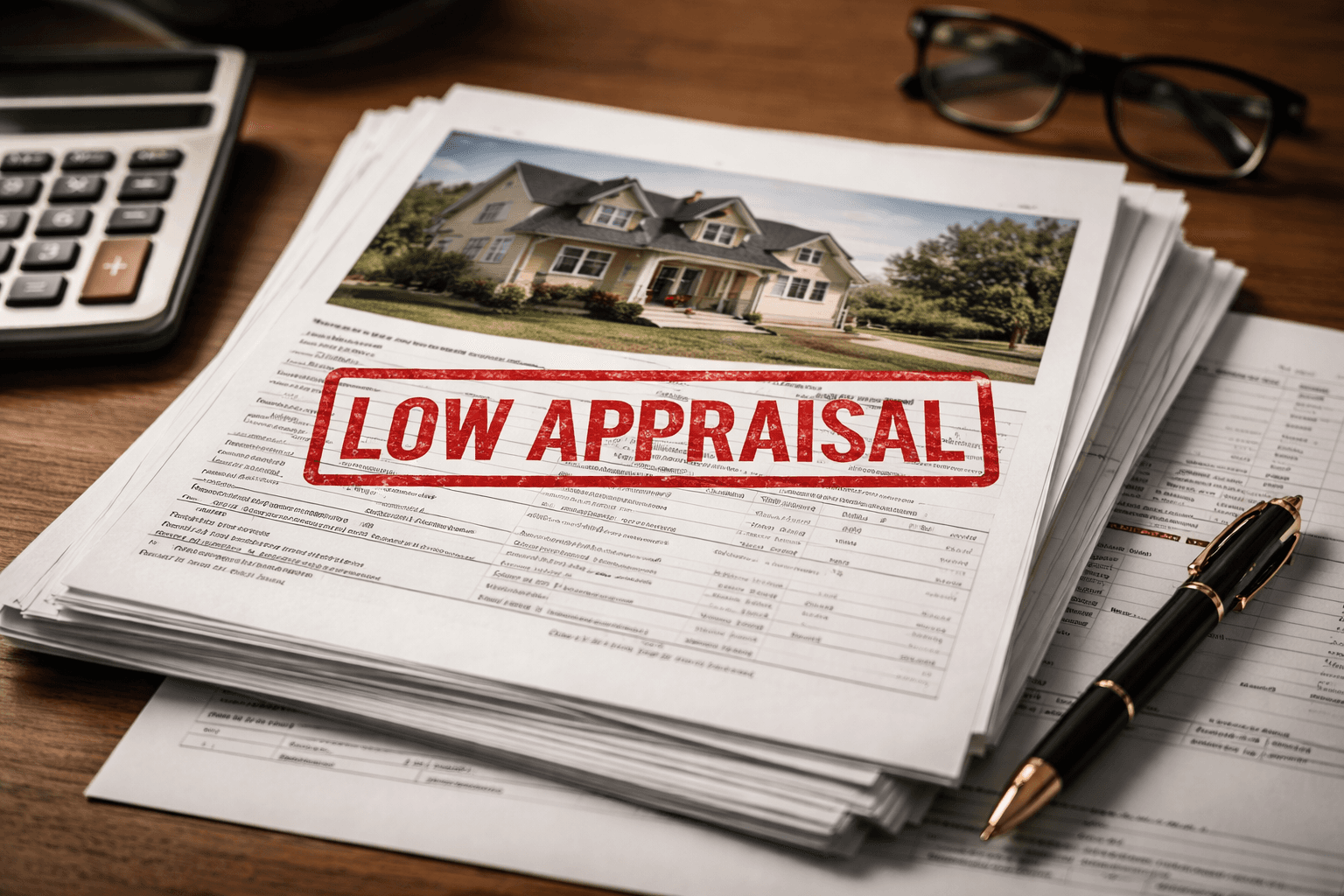
A low appraisal can feel like a deal killer—but in many cases, there are still clear and actionable options.
What to Do If an Appraisal Comes in Low
If a home appraisal comes in below the contract price, you still have options:
Request a Reconsideration of Value (ROV) with better data
Renegotiate the purchase price
Increase buyer down payment to cover the gap
Challenge factual errors in the report
In some cases, request a second appraisal (lender-dependent)
The ROV process is often the first and most effective step—but only when supported by strong market evidence.
What is a Reconsideration of Value (ROV)?
An ROV is a formal process that allows borrowers or lenders to request a review of a property’s appraisal when they believe the appraised value does not reflect the actual market conditions or property features. This process can help correct errors, update outdated information, or ensure that comparable sales were appropriately considered.
All reconsideration of value requests must be submitted through the lender or appraisal management company (AMC). Borrowers and real estate agents are not permitted to contact the appraiser directly.
It’s important to understand that the lender acts as the gatekeeper in the ROV process. Any request is first reviewed by the lender to determine whether it includes relevant and credible information before it is sent to the appraiser.
The standardized ROV process was introduced in part to improve consistency, accuracy, and fairness in appraisals, including addressing broader industry concerns around appraisal bias.
Key Changes in the New ROV Regulations
In 2024, new regulations were introduced to make the ROV process more transparent and accessible for both homeowners and realtors. These updates clarify the steps that borrowers must follow and provide more structure for how lenders and appraisers handle reconsideration requests.
Requests Must Come from the Borrower The most important change is that the request for an ROV must be initiated by the borrower. This ensures that the homeowner has direct control over the process, and it encourages borrowers to provide the necessary supporting documentation, such as comparable sales data, market trends, or evidence of errors in the appraisal report.
Clear, Standardized Guidelines Lenders are now required to give borrowers a simple, easy-to-understand form that outlines the ROV process. This includes details about what type of documentation the borrower needs to submit, such as additional comps or corrections to factual errors in the appraisal. Borrowers are allowed one ROV request per appraisal, so it’s important to compile all necessary information before submitting.
Fannie Mae guidelines generally allow one reconsideration of value request per appraisal, so it is important to submit your strongest data upfront.
Timely Communication and Documentation The new regulations set clear expectations for lenders and appraisers regarding communication timelines. Lenders must acknowledge receipt of the ROV request and provide updates on the status of the reconsideration. Additionally, all communication and documentation related to the ROV request must be retained by the lender, ensuring transparency and accountability throughout the process.
Supporting Documentation A valid ROV request should include specific, verifiable information, such as:
Errors in the appraisal report (square footage, condition, features)
Comparable sales that are more similar or more recent
Market data that was not considered
The contract price alone or general disagreement with the value is not sufficient to support a reconsideration request.
What Happens Next? Once the borrower submits an ROV request, the lender reviews the documentation and communicates with the appraiser. The appraiser may revise the valuation if new evidence supports a different value, or they may stand by the original appraisal if no changes are warranted. The borrower will then be informed of the final decision.
Step-by-Step: How the ROV Process Works
Borrower or agent gathers supporting data
Request is submitted to the lender or AMC
Lender reviews the request for relevance
If appropriate, it is sent to the appraiser
The appraiser reviews and responds to the information
The appraiser may revise the report or provide additional support for the original value.
Why These Changes Matter for Homeowners and Realtors
For homeowners, these new regulations offer peace of mind by giving them more control over the appraisal process. If an appraisal comes in too low and threatens to derail a sale or refinance, the borrower now has a clear pathway to challenge that valuation and present new evidence.
For realtors, understanding the ROV process can be a powerful tool when working with clients who face challenges with appraisals. You can help clients gather the necessary data, ensuring that the request is well-documented and improving the chances of a successful reconsideration.
By staying informed about these changes, realtors and homeowners can navigate the appraisal process more confidently and ensure that home valuations accurately reflect market conditions and property features.
At Authority Appraisals, we are committed to helping our clients understand and use the ROV process to their advantage. For more information on how these changes might affect your next transaction, don’t hesitate to contact us.
What NOT to Do When Challenging an Appraisal
Do not contact the appraiser directly
Do not rely only on the contract price
Do not submit emotional or unsupported arguments
Do not include large lists of weak comparables
Strong ROV requests are data-driven and targeted.
Frequently Asked Questions About Low Appraisals
Can you challenge a low appraisal?
Yes, through a reconsideration of value (ROV) request submitted through the lender with supporting data.
How often do appraisals get changed?
Most appraisals do not change unless strong new data or clear errors are identified.
Can you get a second appraisal?
In some cases, yes—but this depends on the lender and loan type.
Need Help Reviewing an Appraisal?
If your appraisal came in low, getting a professional review before submitting an ROV can help you identify the strongest comps and avoid costly mistakes.
Missed comparable sales
Errors in adjustments
Opportunities for a strong reconsideration request
A well-supported ROV can make a meaningful difference—but only when done correctly.
Request a free quote or Contact Us today to see how we can help.
To learn more about reconsieration of value requests Click Here to read all our posts.